
Understanding Road Signs and Symbols
Understanding road signs and symbols is a fundamental part of driving. These signs guide us, keep us safe, and prevent chaos on the roads. Whether you’re in Southampton or elsewhere in the UK, these signs are crucial for all drivers. They help ensure smooth traffic flow and protect everyone on the road. As a new driver, these signs may seem overwhelming at first, but grasping their meanings can make you a much safer and more confident driver.
Road signs also have the power to transform how you navigate daily routes. Imagine driving through Southampton with ease and assurance, knowing every sign you encounter. This kind of confidence is invaluable, especially for learners. Mastering these signs isn’t just about passing a test; it’s about acquiring skills that make driving safer and more efficient. Understanding the keys to safer driving is essential.
Types of Road Signs
Road signs fall into several categories, each serving different functions. Knowing these categories can greatly improve your driving experience.
1. Regulatory Signs: These signs ensure that all drivers adhere to the same rules. You must follow them to maintain order on the roads. Think of them as the law of the land whether it’s a Stop, Yield, or Speed Limit. These signs tell us how fast we can go, when to pause, and where to enter or exit roads. Ignoring them can lead to fines or accidents, so recognising them is key.
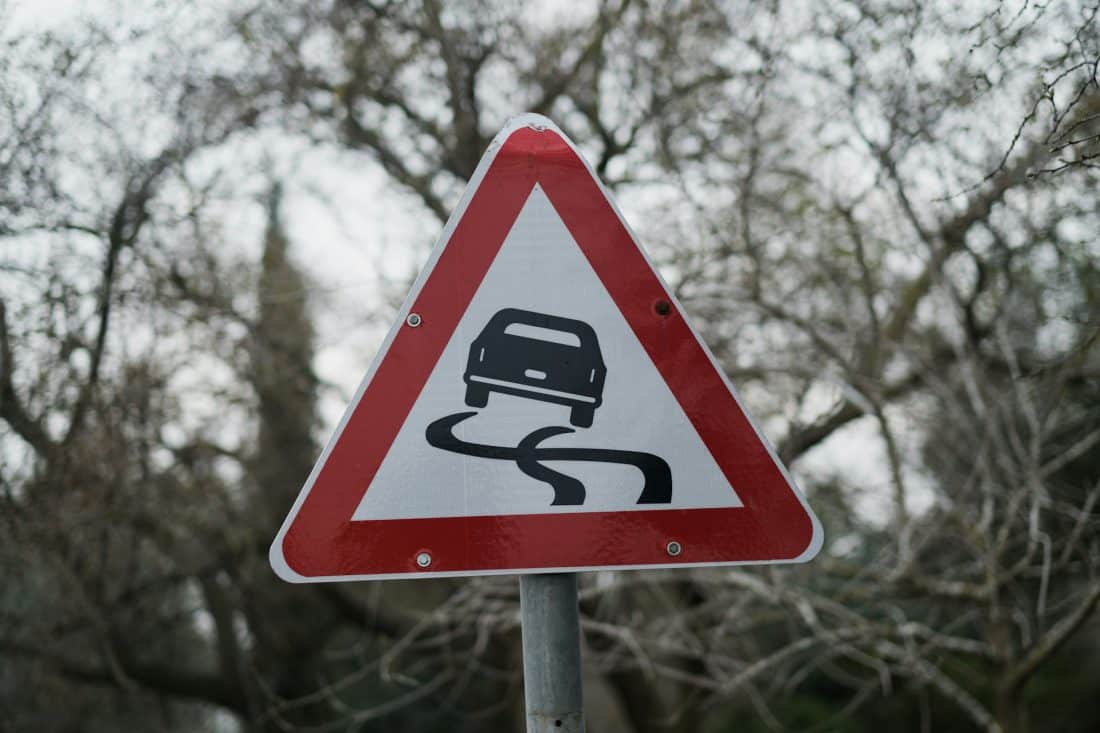
2. Warning Signs: These signs alert drivers about upcoming road conditions or hazards, helping you anticipate and safely navigate tricky situations. They are typically diamond-shaped and yellow or red. Examples include signs for sharp bends, pedestrian crossings, or animal crossings. Seeing these signs ahead can help you adjust your speed and approach, reducing potential risks.
3. Informational Signs: These provide directions and other helpful details for drivers. They are usually rectangular and can be blue, green, or brown. Informational signs let you know about upcoming exits, distances to destinations, and available services like petrol stations and rest areas. Familiarity with these can make long journeys more manageable and less stressful.
Recognizing and understanding these types of road signs can significantly affect your driving. As you become familiar with their shapes and colours, these signs will communicate important information quickly and efficiently, enhancing your driving skills.
Common Road Symbols
Road symbols are just as important as the signs themselves. They provide crucial guidance on how we interact with the space around us. These symbols can appear as markings on the road or as signals to watch out for.
Road markings vary in appearance and meaning. Solid and broken lines, arrows, and zebra crossings each play their role. For example, a solid white line on the edge of a road indicates the boundary that should not be crossed, whereas a broken line can mean overtaking is permitted when safe.
Traffic lights and signals are fundamental as well. They direct traffic flow at intersections and pedestrian crossings. The basic red, amber, and green lights tell us when to stop, gear up for motion, or proceed. Pedestrian signals help walkers cross roads safely. Decoding these lights swiftly maintains order and prevents accidents.
In some areas, special symbols indicate bus lanes, cycle paths, or school zones. Understanding these allows drivers to navigate more responsibly, keeping roads safe for everyone. For instance, a bicycle painted on the path suggests caution if you’re not on a bike.
Keeping these symbols in mind gives you a strong hold on understanding modern roadways. It’s more than just knowing what the colours and shapes mean; it helps you act with confidence and awareness.
Tips for Remembering Road Signs
Remembering road signs might seem daunting at first, but there are effective ways to make it easier.
– Visual Association Techniques: Try linking the shape or colour of a sign with an image in your mind. For example, think of the red octagon of a Stop sign as a big, red hand telling you to halt.
– Familiarity Through Practice: Regular practice solidifies your memory. As you drive frequently, signs will become familiar, and recognising them will be second nature.
– Use Study Aids: Flashcards and apps are handy tools that make learning signs fun and engaging. Short daily sessions with these tools can dramatically improve your recall.
Integrating these practices prepares you not only for tests but for real-world driving as well. Over time, you’ll effortlessly interpret road signs, making you a safer driver.
Real-World Applications in Southampton
Driving in Southampton presents its own set of challenges. The city’s mix of historical and modern roads introduces various road signs and symbols.
Consider the narrow alleyways in the town centre, where clear understanding of traffic restrictions and warning signs is vital. Additionally, navigating busy areas near the docks requires awareness of pedestrian crossings and traffic lights.
Everyday scenarios in Southampton, like school zones during pick-up and drop-off times, further highlight the need to adhere to special signs. Knowing these signs ensures both the safety of students and the community.
By applying what you’ve learned about road signs to these situations, driving in Southampton becomes less intimidating and more manageable.
On the Road with Confidence
Grasping the significance of road signs and symbols transforms your driving adventures, making them safer and more predictable. When you’re equipped with this knowledge, you’re not just a driver; you’re a skilled navigator of the roads.
The key to mastering these signs is consistent learning and practice. As you spend more time behind the wheel, your awareness and confidence will grow. Remember, practice makes perfect. So, keep driving, keep learning, and soon, you’ll be steering your vehicle with assurance and skill.
Ready to take your driving journey to the next level? Explore the opportunities for mastering the roads with expert guidance. Boost your confidence and skills with driving lessons in the UK from Lendrum’s Driving School and start your path to becoming a proficient driver today.
Book a lesson today
Book NowReady to pass your driving test with friendly, professional tuition and boost your confidence on the road? Book your lessons with Lendrum’s Driving School today and start your journey to becoming a safe, skilled driver.