
Top 10 Reasons for Failing Driving Test and How to Fix Them
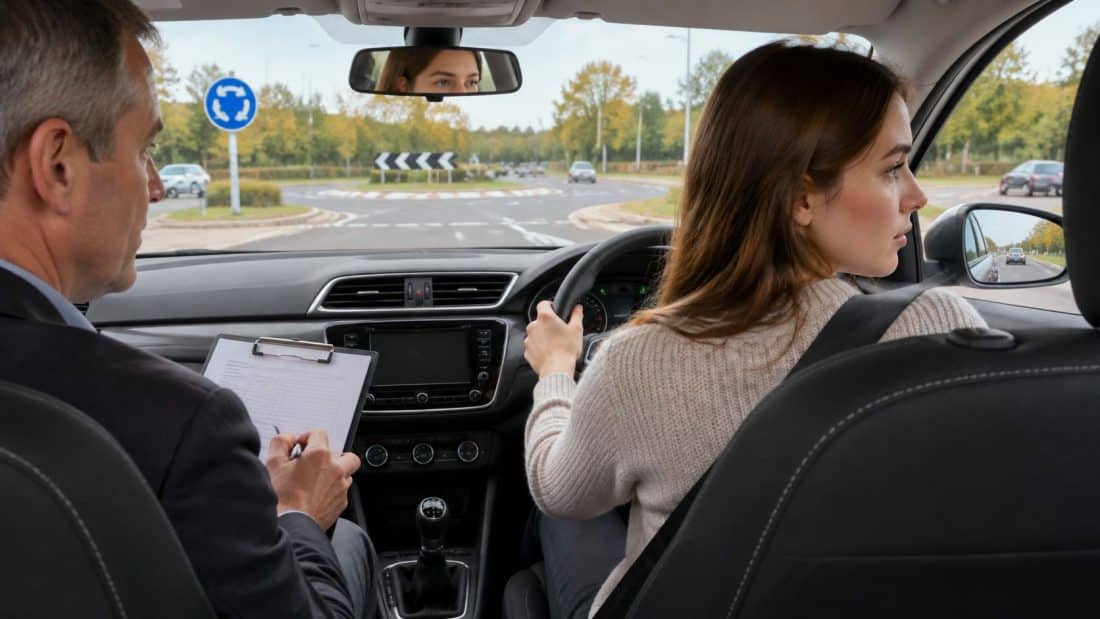
You drive comfortably through a lesson, manage the busy junctions and park without help. Then test day arrives, your observations become rushed, and you leave the test centre with faults you thought you'd already fixed. That's frustrating, but it doesn't mean you need to start learning again. You need to identify which decisions stopped being reliable when the prompts disappeared.
The standard isn't faultless driving. The DVSA's guide to driving test marking explains that you can pass with no more than 15 driving faults, provided you receive no serious or dangerous faults. A serious fault involves potential danger; a dangerous fault involves actual danger. The circumstances matter, so a stall, missed observation or parking correction shouldn't be judged in isolation.
Searches for the top 10 reasons for failing driving test often produce lists that mix official fault categories with broader preparation problems. The practical list below does that deliberately: it covers common driving weaknesses alongside eyesight preparation, rather than claiming to reproduce the DVSA's ranking.
For learners in Southampton, Portsmouth, Winchester, Plymouth and nearby areas, the useful question isn't just what went wrong. It's what you'll practise differently next time. Each fault needs a repeatable routine, a realistic road scenario and evidence that you can manage it without your instructor's help.
Table of Contents
- 1. Poor observation at junctions
- 2. Incorrect or missing mirror checks and signalling
- 3. Inappropriate speed for the conditions
- 4. Incorrect lane discipline and positioning at roundabouts
- 5. Poor reversing and parking manoeuvres
- 6. Poor clutch control, gear selection and hill starts
- 7. Failure to respond correctly to signs, signals and road markings
- 8. Poor hazard awareness and following distance
- 9. Failure to give way to pedestrians and other vulnerable road users
- 10. Failing the eyesight check
- The 10 Most Common Driving Test Failure Reasons at a Glance
- Turn Your Last Test Sheet into Your Next Pass
1. Poor observation at junctions
A quick glance isn't effective observation if you haven't established whether it's safe to emerge. You need to judge approaching traffic, spot cyclists and motorcyclists, and check the pavement you're about to cross.
The DVSA's official failure ranking for April 2024 to March 2025 places ineffective junction observation first. Emerging into a gap that creates potential danger can attract a serious fault, even if nobody sounds their horn.
The important habit is looking again when the situation changes.
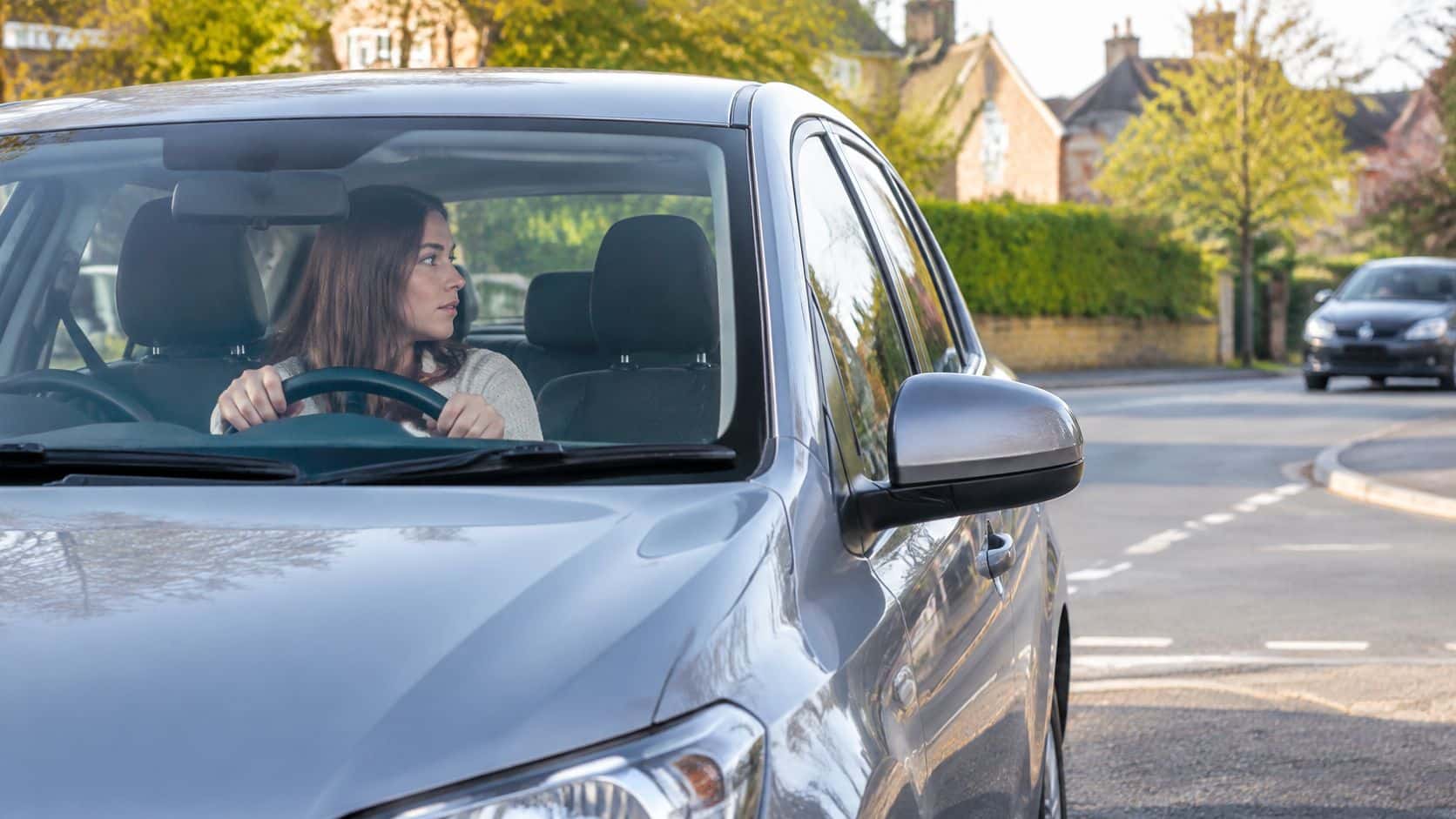
Practise judging the gap
At a quiet T-junction, explain what you can see before moving. If parked vehicles block the view, edge forward cautiously without pushing into approaching traffic, then reassess.
- Name the conflict: Identify which vehicle, cyclist or pedestrian could cross your path.
- Refresh the observation: Look again after waiting or moving to a better viewpoint.
- Keep control: Don't let concentrating on traffic make your feet rush the clutch or accelerator.
Reviewing parking near a junction also helps explain why visibility can be restricted.
Don't confuse test preparation with overseas collision advice. Someone needing to find a Texas car accident lawyer has a different problem; your lesson should concentrate on British junction decisions and preventing conflict.
2. Incorrect or missing mirror checks and signalling
A mirror check only helps if you use the information. Looking before a lane change, then moving towards a vehicle you've just seen, isn't effective observation.
The DVSA's analysis of the first year after the driving test changes associated junction-observation and mirror-use faults with 368,047 test failures between 4 December 2017 and 3 December 2018. The training priority is clear: observation needs to influence the manoeuvre, not become a head movement performed for the examiner.
Say you're approaching a left turn with a cyclist behind. Check the relevant mirrors early, assess whether the cyclist is closing, and choose a safe position and speed before turning.
Practical rule: Check, understand, then act. Don't make the manoeuvre first and use the mirror afterwards.
Build checks around real decisions
Practise a route with turns, parked-car obstructions and changes of speed. Before each change, briefly explain what's behind and how that affects your plan.
Your instructor should distinguish missing checks, late checks and checks that don't change your decision. Those need different fixes.
Use Mirror-Signal-Manoeuvre as a framework, not a chant that overrides judgement. Signal when it will help others, avoid misleading timing near earlier junctions, and cancel the indicator when it's no longer needed. Gradually remove the spoken commentary until the same decisions happen independently.
3. Inappropriate speed for the conditions
You turn into a residential street and remain below the limit, but parked vans hide the pavement and there's little room for an oncoming vehicle. Being below the limit doesn't automatically make your speed safe.
An examiner assesses whether you leave enough time and space to respond. Approaching a restricted view too quickly can create potential danger; crawling along an open road without a reason can also reveal weak judgement.
The fix isn't to drive slowly everywhere. It's to connect speed to what you can see and what might happen.
Use a visibility-led routine
On a varied lesson route, identify the next reason you might need to slow: a bend, crossing, parked vehicle, queue or narrow gap. Ease off early, check behind before braking when appropriate, and select a speed that leaves room to respond.
- Before the hazard: Decide what could emerge or change.
- Through the hazard: Keep a controllable speed rather than repeatedly accelerating and braking.
- After the hazard: Build speed smoothly when the view and road conditions allow.
Have your instructor record whether each intervention concerned recognition, braking timing or speed selection. “Too fast” alone isn't a useful lesson objective.
An overseas discussion of when safe speed determines accident fault isn't guidance on British test marking. For your test, practise making safe speed decisions on the road in front of you.
4. Incorrect lane discipline and positioning at roundabouts
Roundabout mistakes often begin before you reach the give-way line. You read the destination late, choose a lane hurriedly and then try to repair the decision while other vehicles are alongside.
Plan from the signs and markings, rather than assuming every roundabout follows an identical layout. Lane arrows, spiral markings and the arrangement of exits can change the route you need to follow.
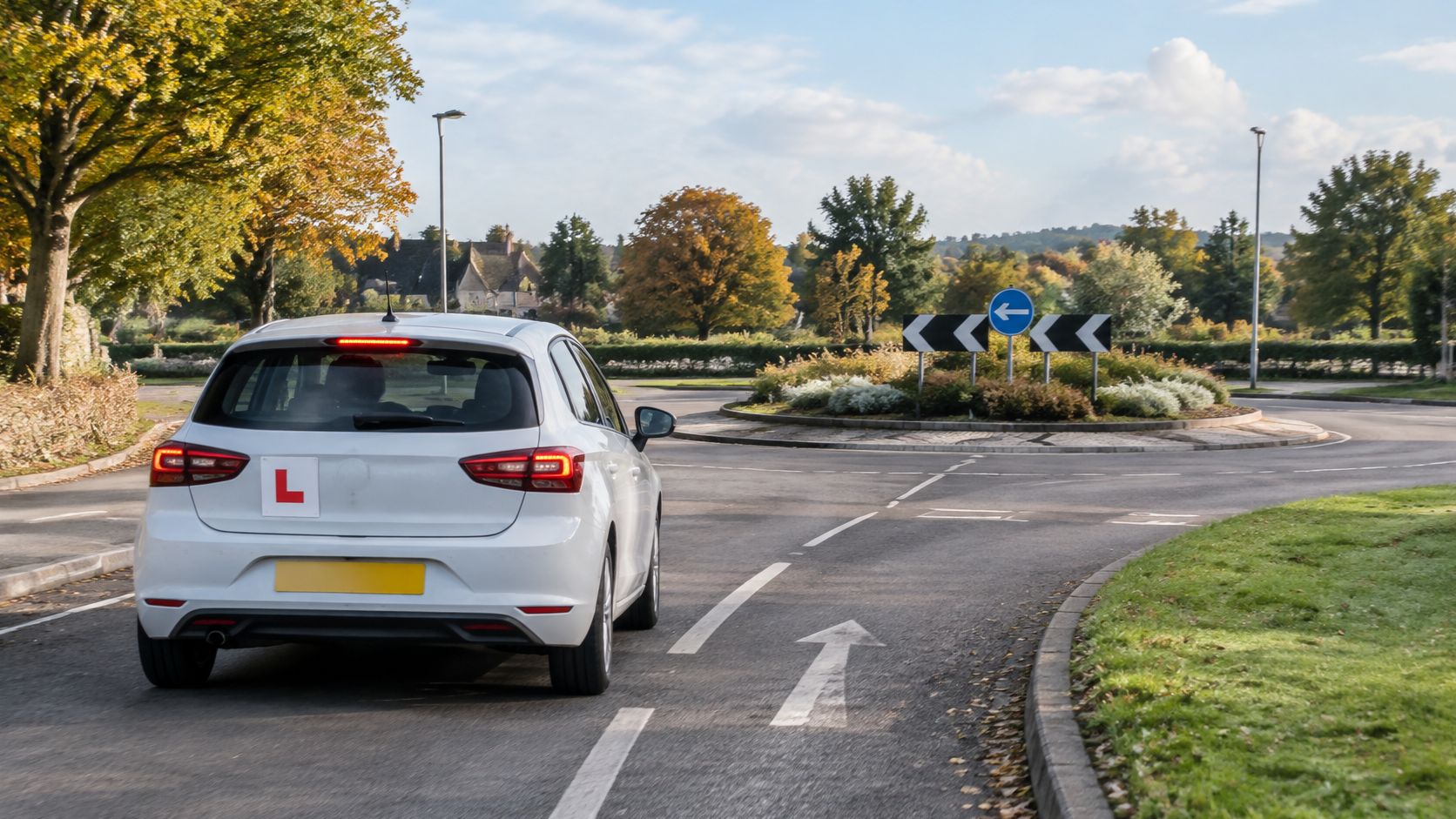
Cutting across an occupied lane or entering when another vehicle is too close can create a serious safety problem. Memorising which lane worked on a previous lesson won't prepare you for an unfamiliar layout.
Separate the decisions in practice
Start with quieter roundabouts and work through the approach aloud: destination, lane, speed, traffic and exit. Then repeat with less prompting and more complex traffic.
- Approach: Read the signs early enough to choose a lane without swerving.
- Entry: Judge the traffic that could conflict with your path.
- Circulation: Follow the lane, maintain clearance and check before changing position.
- Exit: Signal appropriately and watch for people crossing beyond the roundabout.
If you discover you're in the wrong lane, don't force your intended exit. Continue safely in the direction your lane permits. Your instructor should assess lane planning separately from gap judgement, because you may be confident at one and weak at the other.
5. Poor reversing and parking manoeuvres
Parking isn't just an accuracy exercise. You can finish neatly inside a bay and still demonstrate unsafe driving if you've ignored someone walking behind the car.
Watch how observation and low-speed control need to work together.
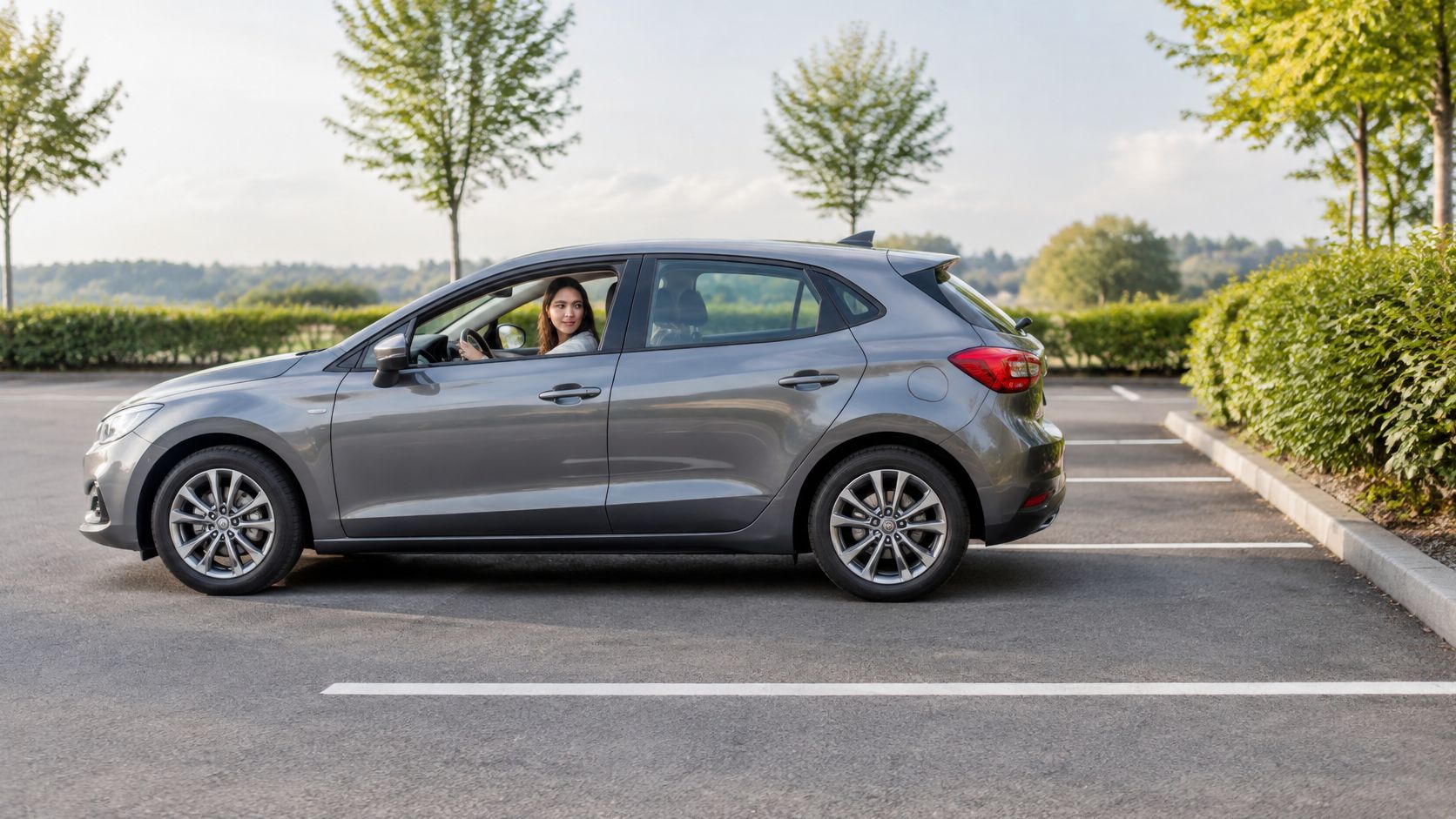
Control, observation and accuracy must develop together. Reference points can help you judge when to steer, but they depend on your seating position, vehicle and starting position. They're guides, not guarantees.
Practise stopping and correcting
For a reverse bay park, begin with the car positioned consistently and the space checked. Reverse slowly, keep looking around, and stop if someone enters the area you need.
If the alignment goes wrong, pause, reassess and make a controlled correction. Don't keep reversing because you've reached a memorised steering point. Moving towards a pedestrian or losing control near another vehicle can create the danger associated with a serious fault.
Use our reverse parking tips to support the routine you practise in the car.
This demonstration can help you visualise the sequence before discussing it in your lesson.
Ask your instructor to record whether the difficulty is steering timing, speed, observation or recovery. Practising the entire manoeuvre repeatedly won't necessarily fix a specific weakness.
6. Poor clutch control, gear selection and hill starts
A stall can feel disastrous when the examiner is beside you. The more useful question is whether you keep the car secure, recover safely and check again before moving.
Don't treat every stall as an automatic failure. Equally, don't dismiss rolling backwards towards another vehicle as a harmless technical error. The effect on safety matters.
Say you're moving off uphill with traffic behind. If you release the parking brake before establishing enough drive, the car may roll back while you rush to find the biting point.
Build control before adding pressure
Practise securing the car, selecting the appropriate gear and establishing the balance between clutch and accelerator. Release the parking brake only when you're ready to move safely.
- Isolate the skill: Start on a manageable gradient with space around you.
- Add observation: Prepare the car, check thoroughly and move only when the road is safe.
- Practise recovery: After a stall, secure the car, restart calmly and refresh your observations.
- Vary the setting: Progress to different gradients and realistic junction approaches.
A smooth hill start isn't a race to release the handbrake. It's a controlled transfer from being securely stopped to moving safely.
Automatic tuition removes clutch and manual gear-selection demands, but it doesn't remove the need for observation, speed control or secure hill starts. Choose the vehicle type deliberately rather than expecting it to solve every test difficulty.
7. Failure to respond correctly to signs, signals and road markings
You recognise a sign when shown a picture, yet miss it while concentrating on the vehicle ahead. That's a scanning problem, not necessarily a knowledge problem.
Recognition must lead to timely action. If you spot a lane arrow only when you're alongside it, you may no longer have a safe opportunity to change lanes.
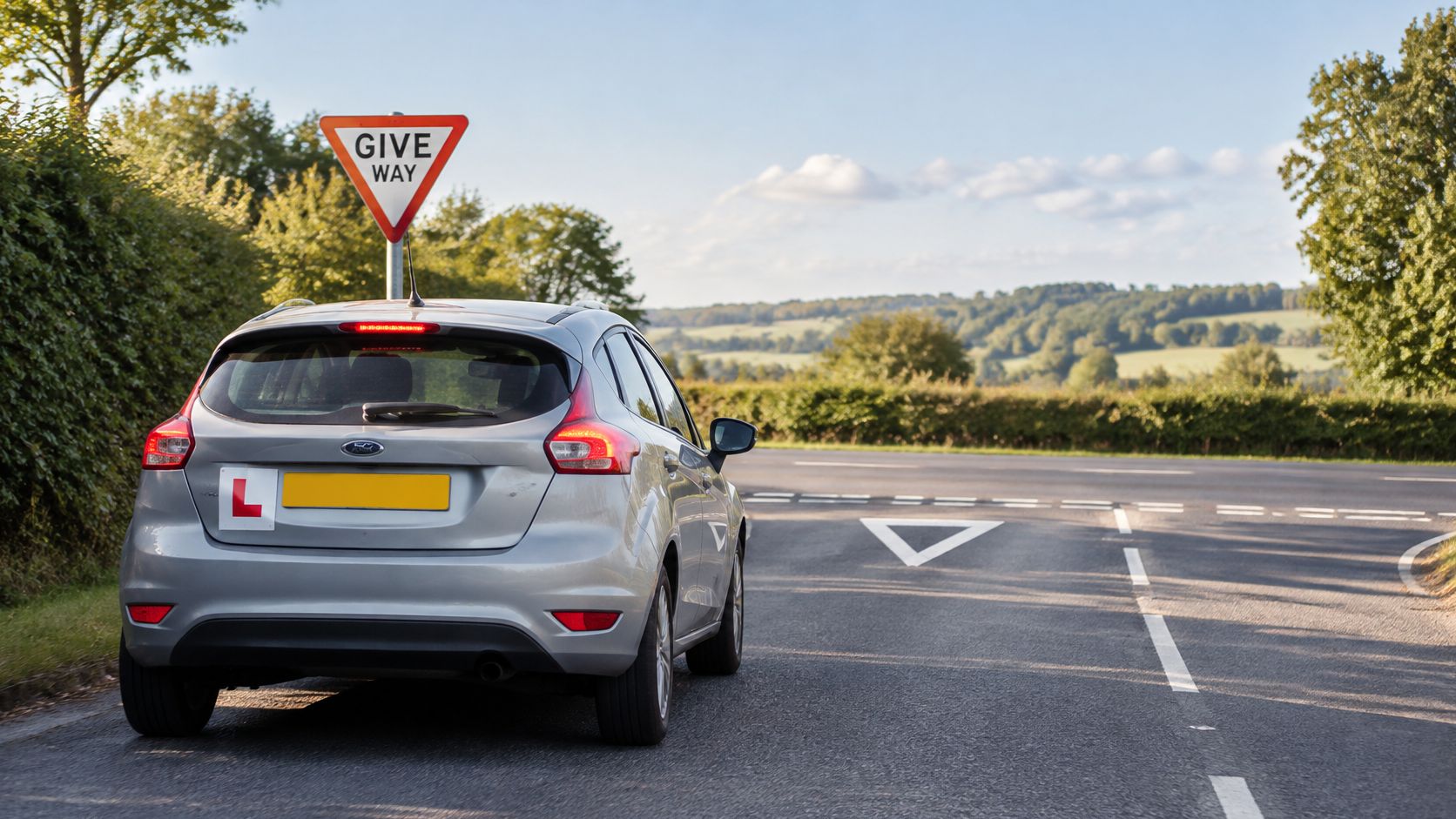
Continuing through a red signal or failing to respond safely to a junction instruction can create potential or actual danger. Learn the required response from the current Highway Code, then practise applying it while controlling the car.
Connect the sign to the action
Ask your instructor to choose a route with changing limits, traffic lights, lane arrows and unfamiliar junctions. Briefly identify the instruction and explain what you'll change before reaching it.
- Look ahead: Search beyond the vehicle immediately in front.
- Interpret: Establish whether the instruction affects your lane or intended route.
- Respond early: Adjust position and speed while you still have room.
Our explanation of two-way traffic crossing a two-way road is useful practice for linking a warning sign to a developing conflict.
An Australian guide to traffic management signs offers an overseas comparison, not British test rules. Avoid mixing jurisdictions when revising signs and road markings.
8. Poor hazard awareness and following distance
The vehicle ahead brakes, and you brake sharply after it. You've reacted, but you haven't necessarily planned.
Following too closely leaves little room to see beyond the vehicle ahead or respond smoothly. Approaching parked cars without considering opening doors, pedestrians or oncoming traffic creates the same underlying problem: too little usable space.
A serious fault can arise when your following distance or delayed response creates potential danger. The answer isn't just to watch the brake lights more closely.
Use a developing-hazard commentary
On a suitable lesson route, name the hazard, explain what might happen and state your response. Keep it brief enough that speaking doesn't interfere with driving.
For example: a delivery van blocks the pavement, so a pedestrian might walk around it. Check behind, reduce speed and leave space before reaching the van.
- Increase the gap: Leave more room when visibility, grip or traffic behaviour makes stopping less predictable.
- Look beyond: Watch for queues, junction activity and changes further along the road.
- Separate hazards: Avoid passing a cyclist at the same moment you squeeze past an oncoming vehicle.
Your instructor should distinguish not seeing the hazard from seeing it but leaving action too late. The former needs better scanning; the latter needs earlier decisions.
Once you can explain hazards consistently, practise the same route. You need the planning habit to remain when there's no commentary.
9. Failure to give way to pedestrians and other vulnerable road users
A pedestrian near a crossing, a cyclist approaching a pinch point and a motorcyclist beside a queue all need more than a last-second glance. You must recognise how your movement could affect them.
Don't assume someone has seen your indicator or will wait because you're already turning. Your intended route never removes your responsibility to check that it's safe.
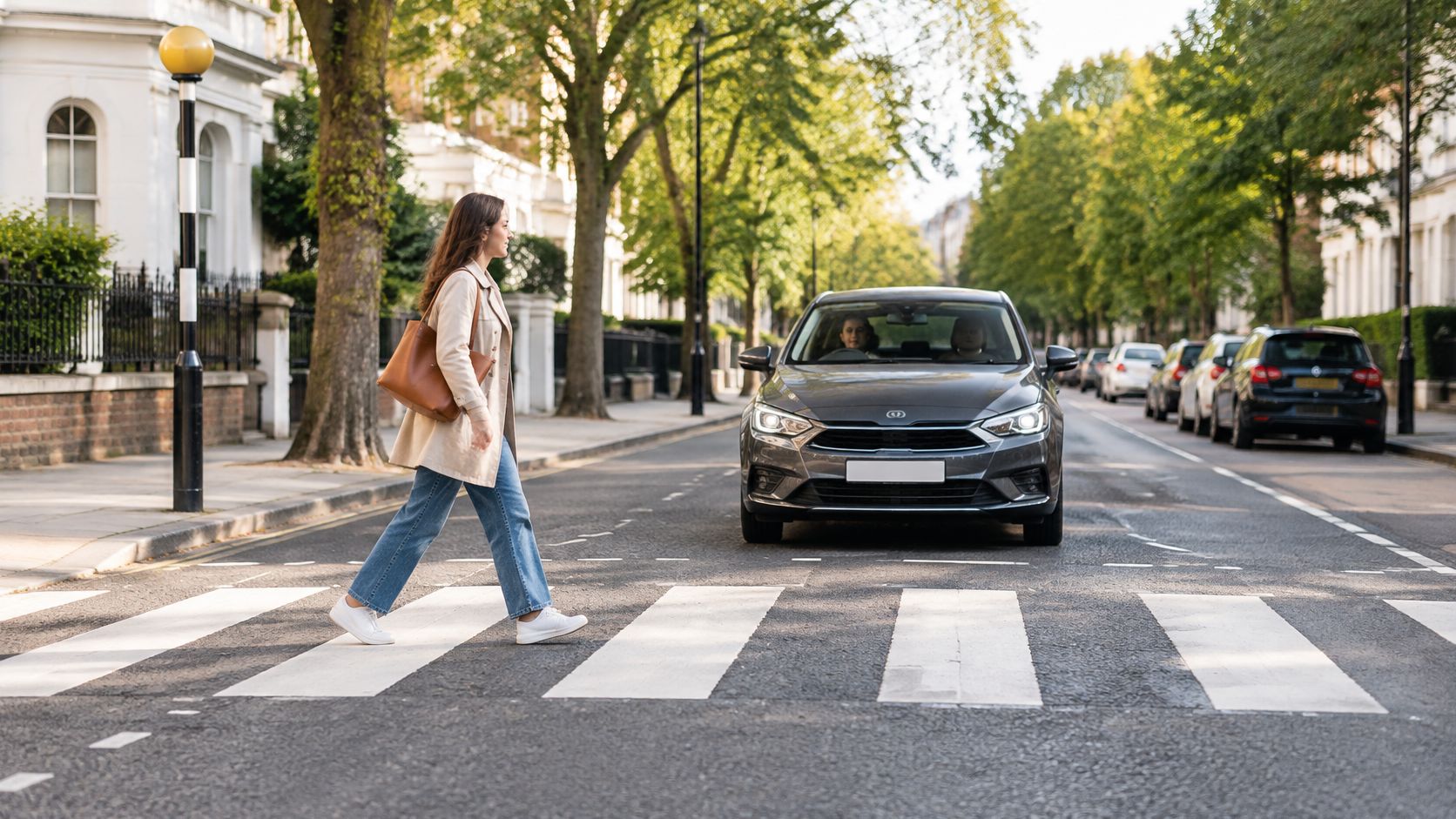
Passing too closely, turning across someone's path or approaching a crossing without time to respond can create potential danger. Learn the applicable priority rules, then develop the observation and patience needed to apply them.
Practise waiting without feeling rushed
Use a route with crossings, side roads and parked vehicles. On each approach, identify who could enter your path and where you would stop if necessary.
Say you're following a cyclist towards a narrow section with oncoming traffic. Hold back until you can pass with safe clearance, rather than beginning an overtake and hoping the gap remains available.
Useful mindset: A driver behind may want you to hurry. You still need a safe opportunity to proceed.
Your instructor should record recognition, approach speed, clearance and willingness to wait separately. If you see the cyclist early but still squeeze past, more observation drills alone won't solve the problem. Practise deciding not to proceed.
10. Failing the eyesight check
Eyesight preparation belongs before test day, not in the test-centre car park. If distant signs or number plates look blurred, don't assume concentration will make them clearer under pressure.
This is a readiness issue, rather than a moving-traffic habit you can repair through repeated junction practice. An instructor can help you prepare, but an optometrist is the appropriate professional to assess concerns about your vision.
Avoid relying on guessed distances, online images or a friend's reassurance. Use the current official eyesight requirements when checking your preparation.
Remove uncertainty before the appointment
Arrange an eye examination if your vision has changed or you're unsure whether your current correction is suitable. If you need glasses or contact lenses for driving, include them in your normal lesson routine rather than introducing them at the last moment.
- Prepare your correction: Keep the glasses you use for driving available and clean.
- Raise difficulties early: Tell your instructor if reading signs is uncomfortable or inconsistent.
- Check practical comfort: Make sure frames and lenses don't interfere with normal observation.
- Separate vision from scanning: Missing a sign because you didn't look is different from looking directly at it and being unable to read it.
For example, if you repeatedly struggle to read direction signs until you're close, investigate both possibilities. Don't keep practising late lane changes while leaving a possible vision problem unresolved.
The 10 Most Common Driving Test Failure Reasons at a Glance
| Fault Area | Test Stage Affected | Typical Severity | Main Fix Strategy |
|---|---|---|---|
| Poor observation at junctions | Practical driving | Often serious | Use clear, repeated head checks before moving or turning |
| Incorrect or missing mirror checks and signalling | Practical driving | Usually minor faults that can accumulate | Follow Mirror-Signal-Manoeuvre consistently |
| Inappropriate speed for the conditions | Practical driving | Can be serious if speed creates danger | Adjust speed to road, weather, visibility and traffic |
| Incorrect lane discipline and positioning at roundabouts | Practical driving | Can be serious if unsafe | Plan lane and exit early; signal and give way correctly |
| Poor reversing and parking manoeuvres | Practical driving | Variable; unsafe observation or control can be serious | Practise manoeuvres slowly, with frequent observation and controlled positioning |
| Poor clutch control, gear selection and hill starts | Practical driving | Can be serious if control is lost | Practise smooth clutch use, correct gears and secure hill starts |
| Failure to respond correctly to signs, signals and road markings | Practical driving | Often serious | Revise road rules and scan ahead for signs and markings |
| Poor hazard awareness and following distance | Practical driving | Can be serious | Anticipate hazards, maintain a safe gap and brake smoothly |
| Failure to give way to pedestrians and other vulnerable road users | Practical driving | Often serious | Slow near crossings and give vulnerable road users space and priority |
| Failing the eyesight check | Start of test, before driving | Immediate test failure | Check eyesight beforehand and bring required glasses or contact lenses |
Turn Your Last Test Sheet into Your Next Pass
Every driving weakness above needs a specific response, not a vague promise to concentrate harder. Start with your test result and the examiner's feedback, then reconstruct the situations that produced the faults while you can still remember them.
The wider picture is demanding: DVSA's Great Britain car-test statistics record 1,839,817 tests and 895,368 passes in 2024–25, a pass rate of 48.7%. Those figures describe test outcomes, not your personal likelihood of passing. Your preparation should depend on how consistently you drive without help.
Turn each fault into an observable goal
At Lendrum's Driving School, we review the test sheet with the learner after a failed test and create an action plan for the next attempt. That means identifying the behaviour behind the mark, not repeating the test route.
- Describe the trigger: For example, a restricted-view junction followed by a rushed emergence.
- Identify the missing skill: Was it observation, gap judgement, clutch control or pressure from following traffic?
- Choose a targeted drill: Practise that decision in manageable conditions before adding complexity.
- Remove the prompts: Check that the improvement survives unfamiliar roads and independent driving.
Nerves deserve the same practical approach. The DVSA's car-test datasets distinguish overall passes from tests completed with zero faults; a pass doesn't require a flawless performance. After a mistake, keep attending to the road rather than mentally marking the rest of your test as a failure.
If anxiety leads to late checks or rushed decisions, build practice around those behaviours. Use quiet-passenger mock driving, unfamiliar roads and safe recovery practice. Persistent or overwhelming anxiety may also warrant support from a healthcare professional.
Rebook for readiness, not relief
Choose an earlier appointment only if you can maintain the required standard without coaching. During a long gap, continue varied practice and schedule a review before the test rather than assuming previous readiness will last unchanged.
We've helped learners prepare for their tests since 2010. Our intensive courses can support learners preparing after a recent failure or struggling with manoeuvres, while our driving test rescue course is designed for learners who've failed repeatedly. You can also take your instructor with you on your next test.
Bring your test sheet to an assessment lesson. Replace “I need more confidence” with a concrete goal, such as judging junction gaps safely without prompts, then practise until you can demonstrate it consistently.
Lendrum's Driving School offers manual and automatic tuition, targeted preparation after a failed test and intensive courses for learners preparing for another attempt. Visit Lendrum's Driving School to arrange an assessment lesson, bring your test sheet and build an action plan around the faults you need to fix.
Book a lesson today
Book NowReady to pass your driving test with friendly, professional tuition and boost your confidence on the road? Book your lessons with Lendrum’s Driving School today and start your journey to becoming a safe, skilled driver.